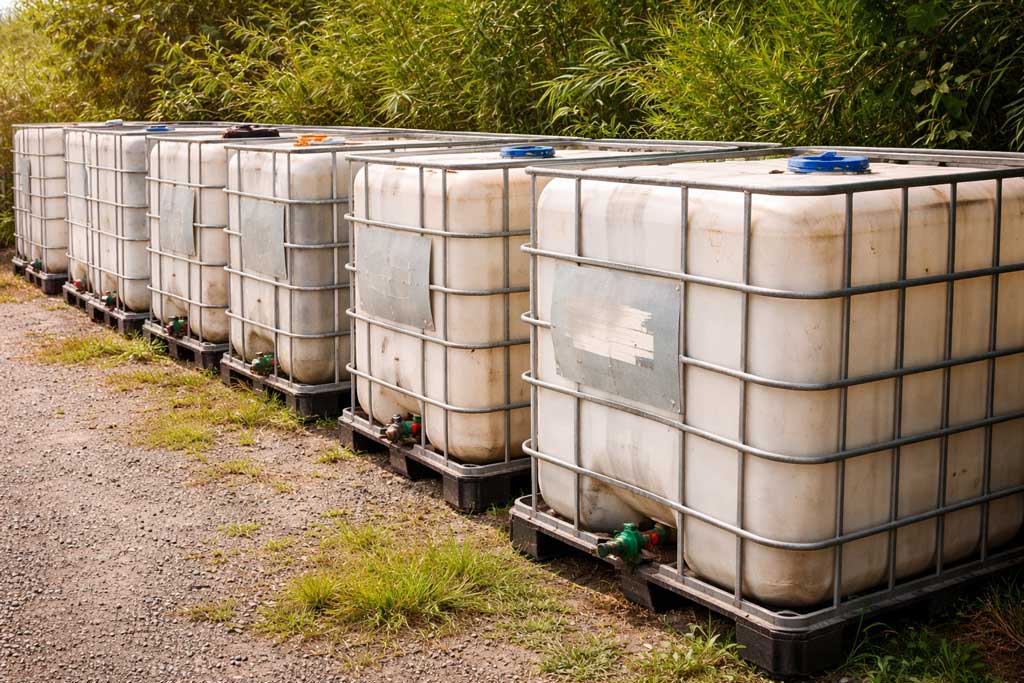
Across the UK, small community groups are being asked to do more with less. Allotment associations, volunteer-run gardens, repair yards and pop-up event spaces often need practical infrastructure, but rarely have the budget for brand new equipment. That has led to a quiet move towards reused industrial containers and other durable kit that can be put to work in a different setting.
Water storage is one of the clearest examples. A site might need to collect rainwater from a shed roof, hold grey water for non-edible planting, or keep a reserve for dry spells. In these cases, function usually matters more than appearance. The key questions are simple: is the container robust, easy to move when empty, and suitable for the job?
That is partly why interest in the second hand ibc has spread beyond farms and industrial yards. People are weighing up the practical basics: large capacity, a stackable shape, and a structure that can be adapted for straightforward site jobs. For many buyers, the appeal is not just price. It is about getting more use out of materials already in circulation.
Thinking beyond the original purpose
Of course, reused containers are only useful when they are chosen carefully. The previous contents, the condition of the frame, and whether the unit has been properly cleaned all matter. Community groups and individuals are asking better questions about those points, which is a good sign. Reuse works best when it is planned, not improvised.
- Match the container to the job
- Check cleaning and prior-use information
- Plan safe placement before it arrives
There is something encouraging in that. Practical reuse is not glamorous, but it says a lot about how people are adapting to tighter budgets and environmental pressure at the same time. Sometimes the most sensible approach is to make solid use of what already exists.
Featured image credit: AI generated.