Heavy rain has a way of exposing the parts of modern life we prefer not to think about. Roads flood, gutters overflow and, behind the scenes, systems built to carry waste and surface water come under sudden strain. Most of us notice the dramatic images first: flooded streets, closed rail lines, the usual British choreography of umbrellas and inconvenience. What we miss is the quieter pressure on infrastructure that usually goes unnoticed.
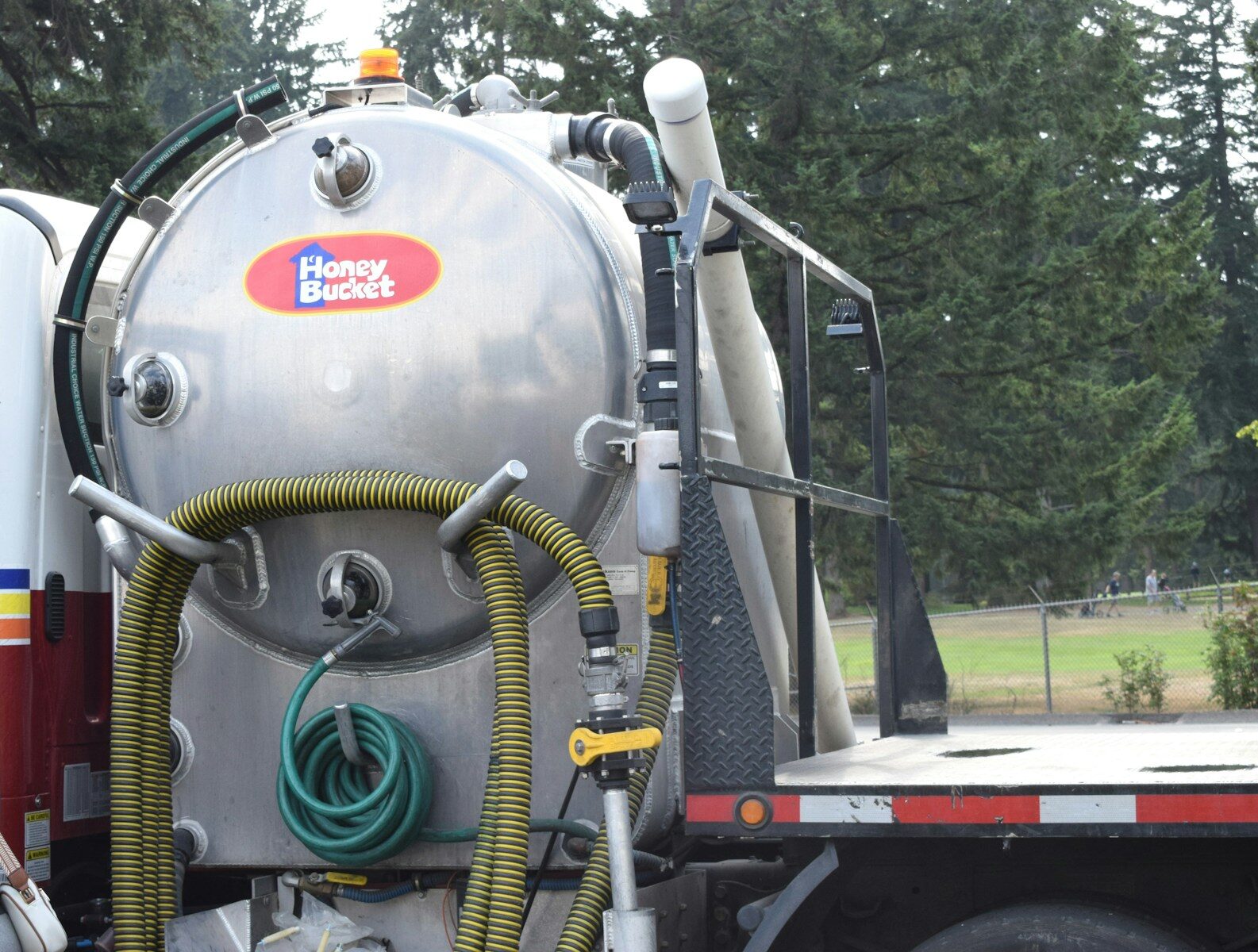
That invisibility is part of the problem. Drainage and storage systems only enter public conversation when something goes wrong, yet extreme weather is making those once rare moments feel routine. For sites that rely on holding tanks, treatment plants or temporary containment, there comes a point where practical intervention matters more than wishful thinking. That is where tankering services fit into a broader plan for resilience, not just a technical fix.
A hidden piece of climate adaptation
It may not be glamorous, but moving wastewater safely during disruption is one of the jobs that stops bigger problems spreading. When systems are overwhelmed, the consequences are not only inconvenient but also environmental and linked to public health.
- Overflow risks can affect nearby land and watercourses.
- Delays can disrupt homes, businesses and public facilities.
- Quick intervention often stops a smaller issue turning into a costly one.
Climate resilience is often discussed in grand terms: sea defences, insulation, transport policy. All important, of course. But adaptation also depends on practical services that step in when ordinary systems reach their limit. The next time torrential rain dominates the news, remember that resilience is not only built in Parliament or set out in planning documents. Sometimes it arrives by road, quietly dealing with a problem most of us would rather never see.
Photo by Fr0ggy5.