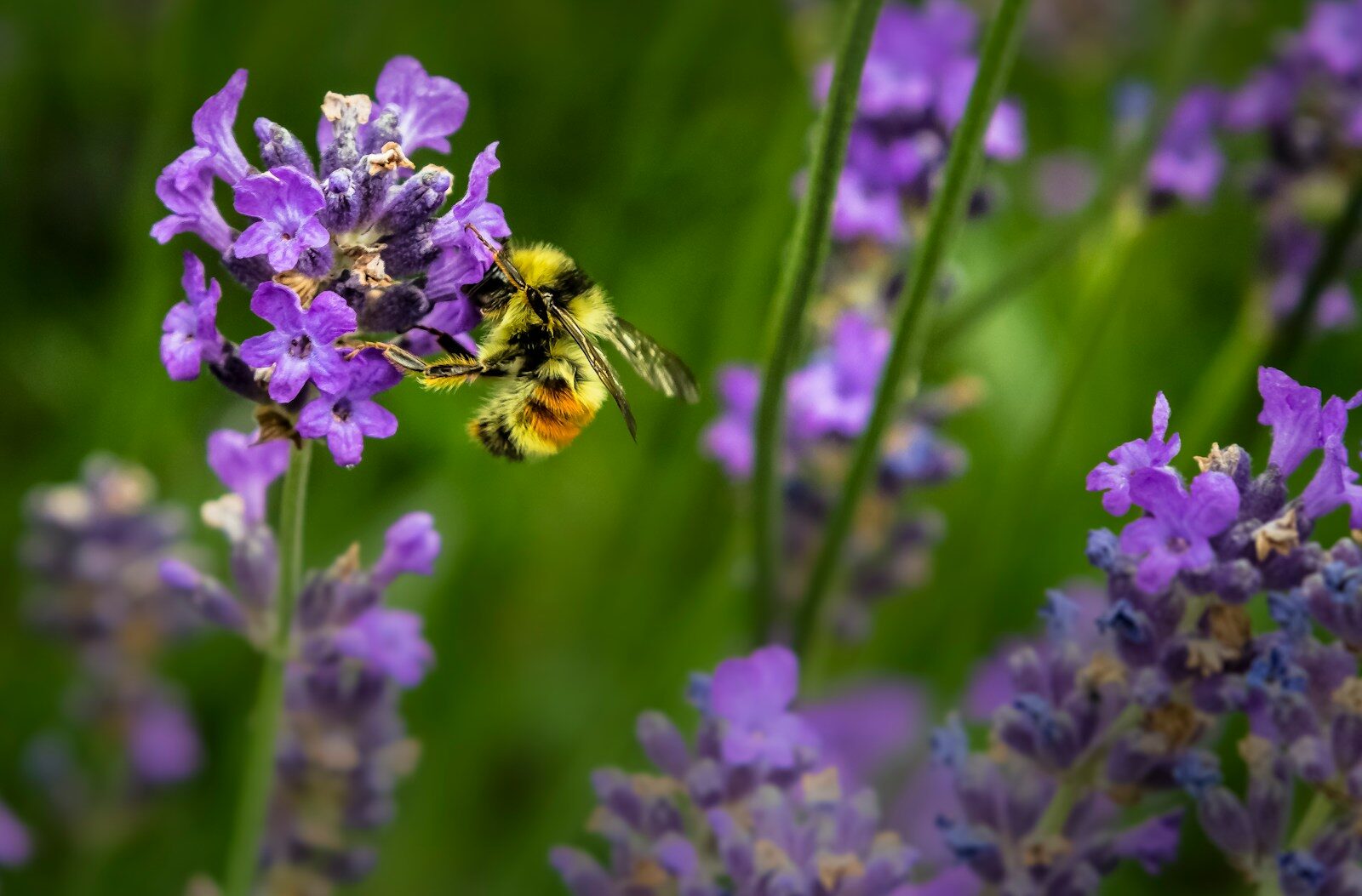
A garden can be much more than a place to grow flowers, sit in the sunshine or enjoy a cup of tea. With a few thoughtful changes, even a small outdoor space can become a welcoming environment for insects, birds and other wildlife.
As natural habitats become increasingly fragmented, gardens, balconies and shared green spaces can provide valuable places for wildlife to feed, shelter and move between areas. You do not need a large garden or expert gardening skills to make a difference. Sometimes, the simplest changes create the most useful habitats.
Why Wildlife-Friendly Gardens Matter
Wildlife needs more than parks and nature reserves. Many species rely on smaller patches of vegetation, hedgerows, ponds and gardens to survive.
Pollinators such as bees and butterflies need flowers that provide nectar and pollen. Birds benefit from food, nesting spaces and shelter. Hedgehogs and other small animals need places to hide and move around safely.
A wildlife-friendly garden can support these needs while also making your outdoor space more interesting. Instead of viewing every fallen leaf, wildflower or patch of long grass as something to tidy away, you can start to see its potential value.
Choose Plants That Welcome Pollinators
Flowers are one of the easiest ways to make a garden more attractive to wildlife. A mixture of flowering plants can provide food for bees, butterflies and other insects throughout the year.
When planning your planting, consider choosing a range of flowers that bloom at different times. This helps provide food across the seasons rather than creating one short period of abundance.
Native plants can be particularly useful because many local insects and other wildlife are adapted to them. However, a mixture of suitable plants can also benefit pollinators, so there is no need to restrict your garden to one type of planting.
Herbs such as lavender, thyme and rosemary can be useful additions, offering flowers for insects as well as something practical for the kitchen.
Leave A Little Room For Nature
A perfectly tidy garden is not necessarily the most wildlife-friendly one.
Leaving a small area of grass to grow longer, allowing some fallen leaves to remain beneath shrubs or keeping a pile of logs in a quiet corner can provide shelter for insects and other creatures.
This does not mean your garden needs to become untidy everywhere. A simple balance between cultivated planting and wilder areas can create a useful range of habitats.
If you have a lawn, consider reducing how frequently you mow part of it. Longer grass can offer shelter and support a greater variety of plants and insects than a closely cut lawn.
Provide Water And Shelter
Wildlife-friendly spaces need more than flowers. Water and shelter can also make a significant difference.
A shallow dish of clean water can provide a drinking place for birds and insects. If you have room for a pond, even a small one can support a range of wildlife when designed with suitable plants and shallow areas.
Bird boxes, hedgehog-friendly gaps beneath fences and dense shrubs can offer places to nest, hide or rest. Make sure water containers are positioned safely and include a way for small creatures to escape if they fall in.
Avoid adding fish to wildlife ponds if your aim is to support amphibians and aquatic insects, as fish can eat their eggs and young.
Avoid Chemicals Where Possible
Pesticides and weedkillers can affect more than the pests they are intended to control. Using fewer chemicals, where practical, can help protect beneficial insects and other wildlife.
Try encouraging natural predators such as ladybirds, birds and ground beetles. Removing pests by hand, choosing resistant plants and improving growing conditions can also help reduce the need for chemical treatments.
If you do need to use a garden treatment, follow the label carefully and consider its potential impact on pollinators and other wildlife.
Small Spaces Can Still Make A Difference
Not everyone has a garden. A balcony, window box or collection of pots can still provide flowers and food for pollinators.
Choose plants suited to the amount of sunlight and space available, and consider adding a small water source where safe and practical. Even a few flowering pots can create a valuable stop for insects.
The wider benefit comes when many people make small changes. A collection of wildlife-friendly gardens, balconies and shared green spaces can help create a more connected environment for nature.
Give Your Garden A More Natural Purpose
A wildlife-friendly garden does not have to look perfect. Its value comes from what it provides: food, shelter, water and places for wildlife to thrive.
By planting with nature in mind, leaving a little room for wild growth and reducing unnecessary chemical use, you can create an outdoor space that benefits both people and the environment.
The next time you look at your garden, think beyond the garden fence. The choices you make in that small patch of green could help support a much wider natural world.
Photo by Jenna Lee.