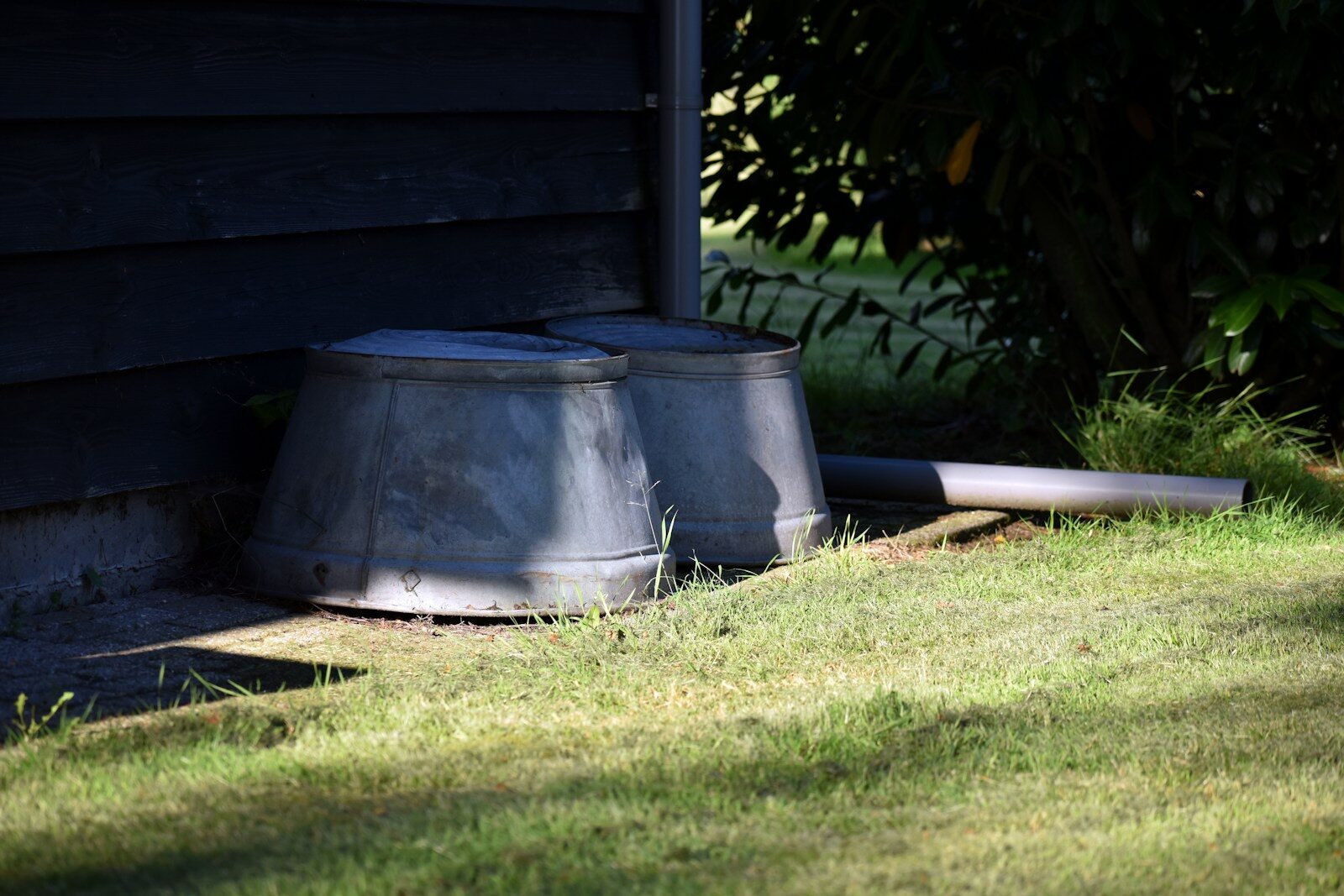
There is something quietly revealing about how people handle water at home. A dry spell arrives, hosepipe rules come up on the local news, and suddenly the suburban garden turns into a place of invention. Buckets appear under downpipes, old tubs are pressed into service, and neighbours start comparing notes on how much rain a shed roof can actually collect in a wet week.
It is a small domestic habit with wider meaning. Water storage is no longer just for farms, factories or building sites. It has become part of ordinary conversation, especially among people trying to keep gardens alive without wasting treated mains water. That shift says a lot about how environmental awareness takes hold in Britain, not through grand statements, but through practical changes made one patio at a time.
For anyone looking beyond the standard water butt, larger-capacity options such as IBC tanks have entered the conversation because they sit where household thrift meets serious storage. You see them discussed in allotment groups, on smallholdings and among people managing polytunnels, where a modest amount of collected rain simply is not enough for a long warm spell.
Why the appeal has grown
The interest is less about novelty and more about resilience. People want systems that are:
- large enough to matter in summer,
- simple to connect to existing guttering,
- sturdy enough to stay outdoors year-round.
That does not mean every home needs industrial-looking storage in the garden. But it does show how ideas once linked to commercial spaces are being adapted for everyday life. In that sense, the rise of serious rainwater collection is not really a trend in garden kit. It is part of a broader British instinct: save what is useful, waste less, and make do a bit better than before.
Photo by Ries Bosch